https://samf.substack.com/p/
~~ recommended by emil karpo ~~

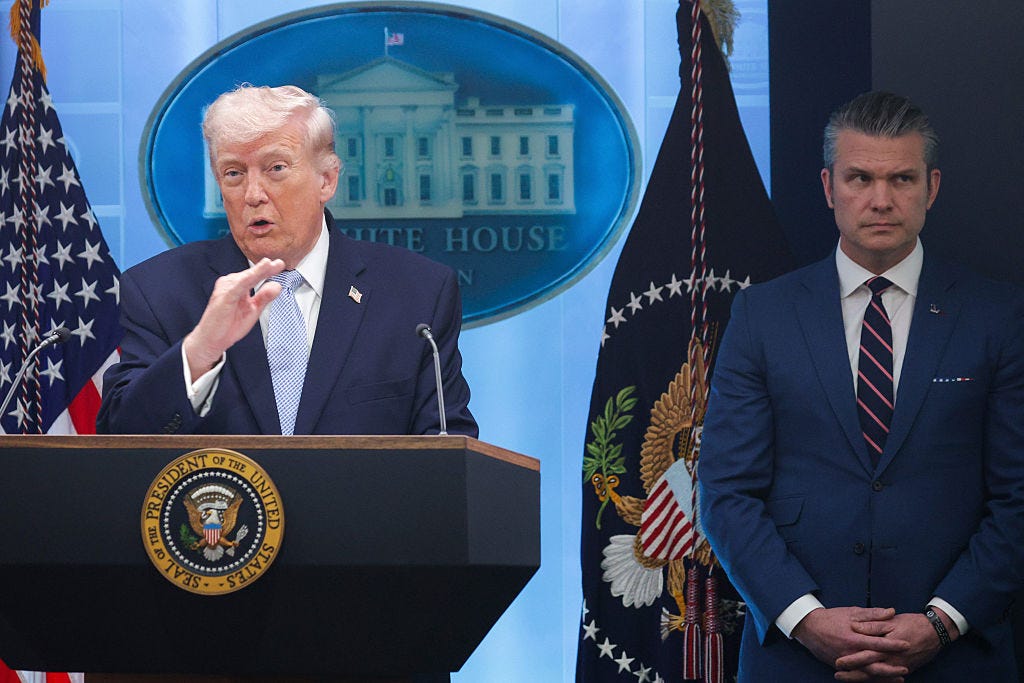
The Islamabad negotiations were supposed to conclude the Iran War in such a way that the US and Israel would have something to show for the thousands of lives lost and ruined, the vast quantities of ordnance expended, and the huge costs incurred. Their failure lays bare the extent of the calamity. The theocratic regime has been wounded but it remain in charge in Iran. The nuclear issue - top of the agenda in Islamabad - remains unresolved. The regime’s military-industrial complex has been degraded but by the time of the ceasefire it was still able to launch missiles against Israel and neighbouring states and controlled access to the Strait of Hormuz. The international economy has been dealt a blow from which it will take many months, even years, to recover. America’s European allies are being chastised as if this whole mess is their fault, while those in the Gulf are left questioning the wisdom of the large bet they placed on the Trump administration.
Elements of this assessment might change. Ways might yet be found to open the Strait of Hormuz and to resume negotiations. Much depends on what happens inside Iran and how well the regime can cope with the intense economic and social challenges it faces (and was facing before the war began). If it does eventually fall then there will be claims that the war was ‘worth it’ for that reason alone, assuming that something better replaces it and the outcome is not more chaos.
Lessons of the War
The lessons of this war are not hard to find. They are exactly the same as those that should have been learnt from other wars that went badly wrong. The design was complacent, with the typical error of seriously underestimating the opponent. Trump joins a long list of political leaders who have been beguiled by the prospect of overwhelming early blows achieve decisive effects only then to struggle to find a new strategy when they did not, and the enemy turned out to be resilient and resourceful. This war confirmed the cliché about how they are much easier to start than to end, and the folly of focusing on how much the enemy is being hurt rather than on whether political objectives are close to being met. The temptation behind the resort to war is that it is the ultimate arbiter, a way of getting a desired outcome without the need for messy compromises. In the end, as with this one, most wars demonstrate the limits of military power, especially when unsupported by a realistic political strategy.
The lessons on the efforts to bring the war to a conclusion are less familiar, because the process in this case has been so chaotic and is not yet over.

No comments:
Post a Comment