Prisons Charge Incarcerated People for their Incarceration!
~~ recommended by larrymotuz ~~

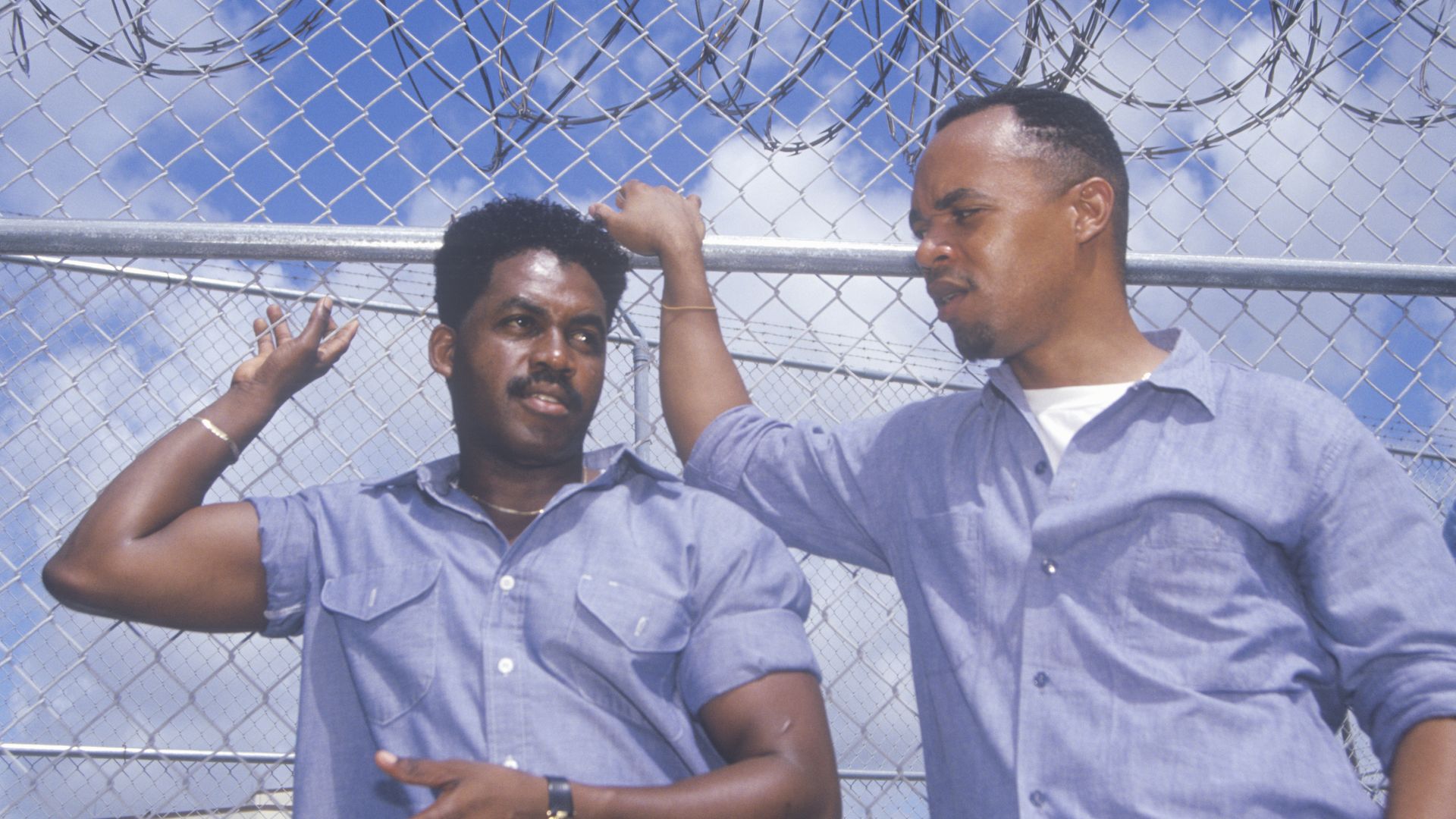
Nearly all states allowing jails and prisons to charge incarcerated people for room and board or medical care highlights a deeper problem: their families, especially Black women, are forced to cover the costs, according to a new report.
Why it matters: Black people account for about 37% of the local jail and state prison population, according to Prison Policy Initiative, and the debt caused by the incarceration fees may be pushing women of color deeper into poverty.
Exclusive: Most states OK charging inmates for own incarceration

Almost all states allow jails and prisons to charge incarcerated people medical and "room and board" fees, locking them into cycles of debt and possibly more incarceration, an Axios review of new exclusive data found.
Why it matters: The debt wheel targets the majority of the estimated 1.8 million people in state prisons and local jails, putting up more obstacles to escaping the poverty that likely contributed to arrests in the first place.
Polis administration shifts parole policy and faces questions about prison data
The number of inmates in Colorado prisons and jails has spiked since the Polis administration began incarcerating more individuals for technical parole violations.
Why it matters: The Department of Corrections' more aggressive approach, disclosed in new documents reviewed by Axios Denver, runs counter to legislative efforts in recent years to decrease prison populations.
- And the shift to revoke parole is costing millions at a time when the state is cash-strapped.
The big picture: The new details come after a damning state audit in May found the department's flawed methodology and inconsistencies are making it difficult to hold agency leaders accountable.
State of play: In the past five months, inmate populations have exponentially exceeded state projections because of tougher enforcement of parole violations, such as failing to appear for a summons, unlawful contact with a victim and absconding, according to a nonpartisan legislative analysis.
- The reason for the tightened enforcement is unclear. DOC spokesperson Alondra Gonzalez denied that the agency changed its policy on technical parole violations, instead attributing high incarceration rates to "a return to pre-pandemic supervision and enforcement patterns."
- The parolee incarcerations outpaced a decline in prison sentences from courts and uptick in scheduled releases, leaving a net increase in the inmate population.
Yes, but: The administration is reporting prison data in a way that shows lower prison rates and avoids raising red flags, lawmakers and analysts contend.
DOC is leaving incoming inmates and those with revoked parole status in county jails instead of moving them quickly to state prisons.
- Not moving them allows officials to artificially inflate the state prison vacancy rate, the legislative analysis found. The department disputes this finding.
- In what legislative analysts called a "coordinated decision," the agency is also leaving open residential treatment beds to drive up the vacancy rate.
Between the lines: If the prison bed vacancy rates fall below 3% for 30 consecutive days, it triggers a state law requires the parole board to accelerate the release of certain low-risk inmates.
- Polis administration officials are wary of releasing inmates early only to see them commit other crimes. Analysts also question how the vacancy rate is calculated.
By the numbers: Now, the state owes local jails an additional $1.8 million to hold their inmates.
- In May, DOC housed 405 male inmates in county jails — the highest number in more than two years.
- The female jail backlog reached 147, the largest number in recent record.
What we're hearing: The blistering reports about the Department of Corrections' tactics are leading to frustrations among state lawmakers.
The powerful Joint Budget Committee and other top lawmakers were exasperated at the findings of the audit and legislative budget report.
In an interview, state Sen. Judy Amabile (D-Boulder) did not place the blame at the agency's director, Moses "Andre" Stancil, who was appointed in 2023. But she raised a broader question about the department's competency.
- "Do we have the best team in place to meet the moment?" she asked.
Budget committee chair Sen. Jeff Bridges (D-Greenwood Village) is optimistic about the agency's future — if it implements needed changes.
- But it's a tough task, he added, and a test of Stancil's "ability to create changes in a department that is historically extraordinarily opposed to change."
The other side: In documents, the agency argued that the parole policy shift is not to blame for the jail backlog, saying instead, it's too few state dollars and staff to maintain enough beds for the inmate population.
- The agency also says that its policy shift on parolees has resulted in a decline in the absconder and fugitive populations.
"DOC leadership is focused on identifying and resolving systemic challenges to improve our operations, and we are committed to reviewing and improving transparency around our financial and operational practices," spokesperson Alondra Gonzalez said in a written statement.

No comments:
Post a Comment